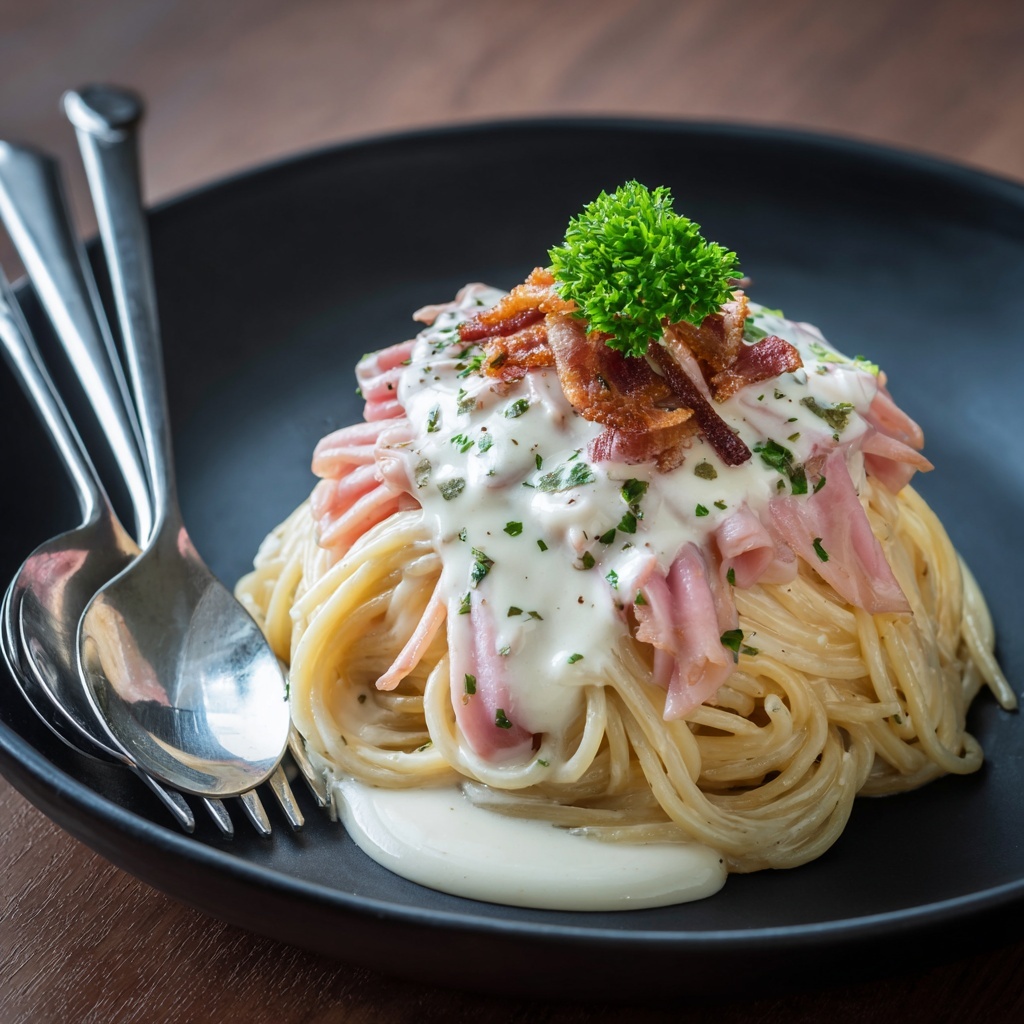
When it comes to effortless elegance in Italian cooking, nothing beats the Classic Spaghetti Carbonara Recipe. This dish combines simple, everyday ingredients into a symphony of flavor that’s creamy, savory, and utterly comforting. With just a handful of pantry staples like eggs, pancetta, and Pecorino Romano cheese, you can whip up a plate that’s restaurant-worthy yet heartwarmingly familiar. Trust me, once you master this Classic Spaghetti Carbonara Recipe, it will fast become your go-to for a satisfying weeknight dinner or a special occasion treat.
Ingredients You’ll Need
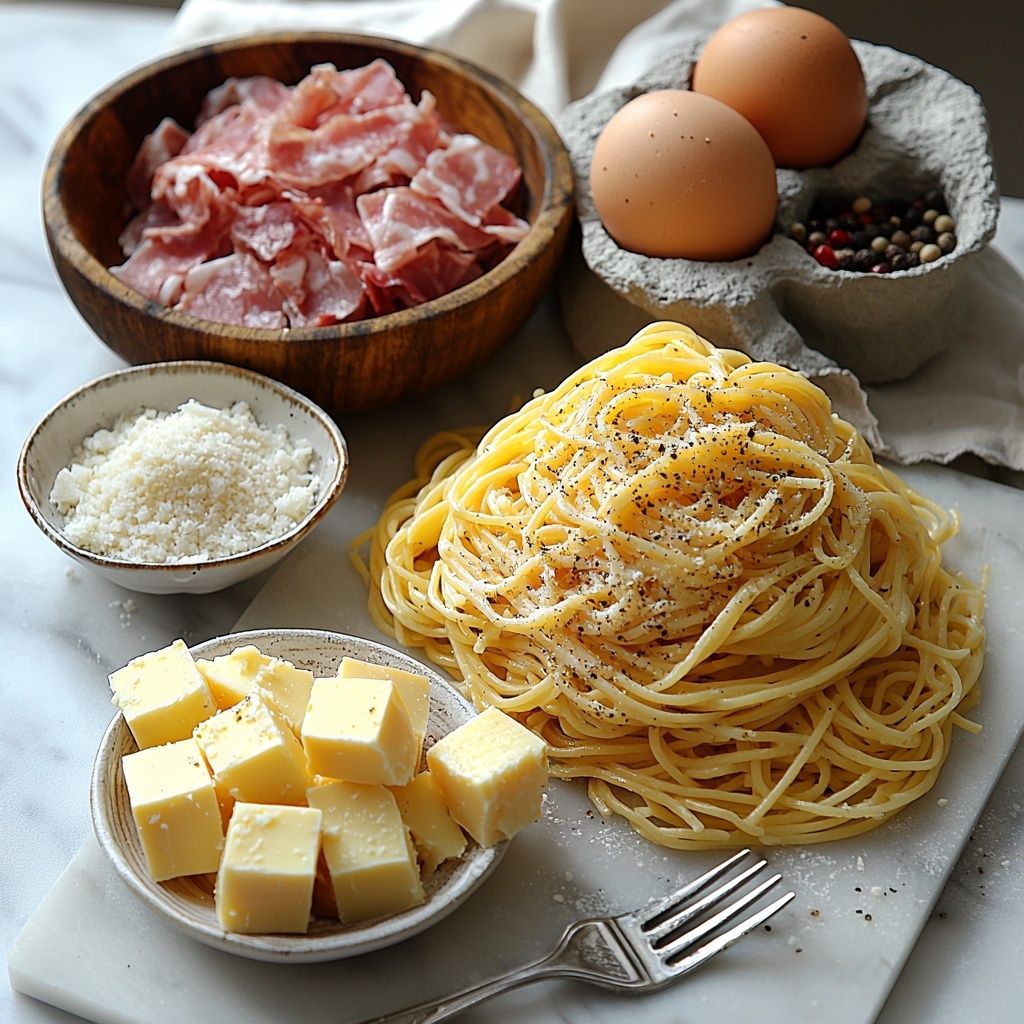
The beauty of this recipe lies in its simplicity—each ingredient plays a crucial role in building the rich taste and silky texture that define a perfect carbonara. From the salty tang of Pecorino Romano to the crispy crunch of pancetta, every element is essential and easy to find.
- 12 oz spaghetti: The classic pasta choice that holds the sauce beautifully with its long, thin strands.
- 4 oz pancetta or guanciale, diced: Adds a crispy, flavorful pork bite; guanciale is traditional for authentic taste.
- 2 large eggs: Provide the creamy base for the sauce without any cream.
- 2 large egg yolks: Boost richness and ensure a silky texture for the sauce.
- 1 cup freshly grated Pecorino Romano cheese: Offers a sharp, salty kick that elevates the dish.
- 1/2 tsp freshly ground black pepper: Adds a gentle heat and aromatic depth.
- Salt to taste: Essential for seasoning the pasta water and balancing flavors.
How to Make Classic Spaghetti Carbonara Recipe
Step 1: Cook the Spaghetti
Bring a large pot of salted water to a rolling boil and add your spaghetti. Cooking it al dente — tender but still with a bite — is key to a perfect bite and soaking up the luscious sauce that’s coming your way.
Step 2: Crisp the Pancetta or Guanciale
While the pasta is cooking, heat a skillet over medium and gently cook your diced pancetta or guanciale until golden and irresistibly crisp, releasing that aromatic pork fat that is carbonara magic. About five to seven minutes should do it. Then take the pan off the heat, preserving all those delicious drippings.
Step 3: Prepare the Sauce Mixture
In a bowl, whisk together the eggs, egg yolks, the freshly grated Pecorino Romano cheese, and black pepper until you get a smooth, creamy mixture. This blend is your secret weapon for a velvety sauce that clings to every strand of pasta.
Step 4: Combine Pasta and Pancetta Off Heat
Before draining your spaghetti, reserve about one cup of the hot pasta water—this starchy water is a lifesaver for silky sauce consistency. Drain the pasta and immediately toss it into the skillet with the pancetta, off the heat to avoid scrambling the eggs, but while the pasta is still piping hot.
Step 5: Create the Creamy Carbonara Sauce
Pour the egg and cheese mixture over the spaghetti and quickly stir or toss vigorously. The residual heat gently cooks the eggs, transforming them into a luscious, creamy coating. Slowly add some reserved pasta water as needed to loosen up the sauce so it evenly covers the pasta without clumping.
How to Serve Classic Spaghetti Carbonara Recipe
Garnishes
Sprinkle some extra grated Pecorino Romano and a fresh crack of black pepper right before serving. These simple touches add visual appeal and an extra punch of flavor that really brings the dish to life.
Side Dishes
Keep it light and fresh with a crisp green salad dressed in lemon vinaigrette or serve roasted seasonal vegetables. These sides balance the richness of the carbonara, making the meal feel complete without overpowering the star of the show.
Creative Ways to Present
For a fun twist, try serving the carbonara nestled inside hollowed-out parmesan bowls or plated on wood boards with freshly torn basil for a rustic vibe. Another idea is to pair it with crusty garlic bread for dipping into every last bit of sauce.
Make Ahead and Storage
Storing Leftovers
If you have leftovers (which might be rare), store them in an airtight container in the refrigerator for up to two days. Keep the sauce separate if possible to preserve its creamy texture, or stir in a splash of milk or cream when reheating.
Freezing
Freezing classic carbonara is not ideal because the egg-based sauce can separate and turn grainy when thawed. For best results, enjoy this recipe fresh or store only the cooked pasta and pancetta separately in the freezer without the sauce.
Reheating
Reheat gently on the stovetop over low heat, adding a bit of reserved pasta water or cream to revive the silky sauce. Avoid the microwave as it can cause the eggs to scramble and the sauce to lose its smooth creaminess.
FAQs
Can I use bacon instead of pancetta or guanciale?
Absolutely! While pancetta or guanciale offers the most authentic flavor, high-quality bacon can be a good substitute. Just cook it until crispy and drain excess fat before mixing it with the pasta.
Is cream necessary in traditional carbonara?
Nope! Traditional carbonara gets its creamy texture solely from the eggs and cheese combined with pasta water. Adding cream changes the classic texture and richness, so it’s best to stick to the original ingredients.
How do I prevent the eggs from scrambling in the sauce?
The key is to remove the pan from direct heat before adding the egg mixture and to stir vigorously and quickly. The residual heat of the pasta gently cooks the eggs without turning them into scrambled eggs.
Can I make Classic Spaghetti Carbonara Recipe vegetarian?
While pancetta or guanciale is central to its flavor, you can skip the meat and add sautéed mushrooms or smoked paprika for a vegetarian twist, though the flavor profile will differ from the traditional recipe.
What’s the difference between Pecorino Romano and Parmesan in this recipe?
Pecorino Romano is a sharper, saltier cheese made from sheep’s milk, giving carbonara its distinctive tang. Parmesan is milder and less salty – using Pecorino is preferred for authentic flavor.
Final Thoughts
There’s something magical about the Classic Spaghetti Carbonara Recipe—it’s a simple dish that feels indulgent and special, perfect for sharing with loved ones or treating yourself to an Italian night in. Give this recipe a try and you’ll discover why it’s a timeless favorite that brings people straight to the heart of Italian comfort food. Trust me, your taste buds will thank you.
Print
Classic Spaghetti Carbonara Recipe
- Prep Time: 10 minutes
- Cook Time: 15 minutes
- Total Time: 25 minutes
- Yield: 4 servings
- Category: Main Course
- Method: Stovetop
- Cuisine: Italian
Description
This Classic Spaghetti Carbonara recipe delivers a rich and creamy Italian pasta dish made with crispy pancetta, eggs, Pecorino Romano cheese, and freshly ground black pepper. Perfectly cooked spaghetti is tossed with a luscious, velvety sauce that comes together off the heat, ensuring the eggs create a smooth, silky coating without scrambling. A simple yet elegant meal ideal for a quick weeknight dinner or special occasion.
Ingredients
Ingredients
- 12 oz spaghetti
- 4 oz pancetta or guanciale, diced
- 2 large eggs
- 2 large egg yolks
- 1 cup freshly grated Pecorino Romano cheese
- 1/2 tsp freshly ground black pepper
- Salt to taste
Instructions
- Cook the spaghetti: Bring a large pot of salted water to a boil and cook the spaghetti until al dente according to the package instructions. This usually takes about 8 to 10 minutes depending on the brand.
- Fry the pancetta or guanciale: While the pasta cooks, heat a large skillet over medium heat and cook the diced pancetta or guanciale until it becomes crispy and golden, about 5 to 7 minutes. Remove the skillet from heat and set aside.
- Prepare the sauce mixture: In a medium bowl, whisk together the whole eggs, egg yolks, freshly grated Pecorino Romano cheese, and black pepper until smooth and well combined.
- Reserve pasta water and drain pasta: Before draining the spaghetti, scoop out 1 cup of the hot pasta water and set it aside. Then drain the pasta thoroughly.
- Toss pasta with pancetta off heat: Immediately return the hot drained spaghetti to the pot or skillet containing the crispy pancetta, making sure the heat is off to prevent scrambling the eggs.
- Add egg and cheese mixture: Quickly pour the egg and cheese mixture over the pasta and stir vigorously. The residual heat will gently cook the eggs, turning them into a creamy sauce that coats the pasta evenly.
- Adjust sauce consistency: Add the reserved pasta water a little at a time while tossing to loosen the sauce as needed, ensuring a silky and smooth texture.
- Serve: Serve immediately with extra grated Pecorino Romano and a sprinkle of freshly ground black pepper for garnish, if desired.
Notes
- Use guanciale instead of pancetta for a more authentic and richer flavor.
- Mix the egg and cheese sauce off the heat to avoid scrambling the eggs and to ensure a creamy texture.
- If the sauce seems too thick, gradually add more reserved pasta water until the desired consistency is reached.
- This dish is best enjoyed fresh; avoid reheating as it may cause the sauce to separate.